













Raising the Bar on Training and Food Safety at Lenah
At Lenah, we take immense pride in the high level of training our team—and our suppliers—have achieved. It’s a cornerstone of the quality and safety standards we’re committed to upholding.
Across Australia, the meat processing industry relies on a nationally recognized training framework known as the MINTRAC program, delivered largely through TAFEs. This program ensures staff are skilled in key areas such as hygiene, quality assurance, and food safety.
The entry-level Certificate II focuses on the fundamentals—essential hygiene and food safety practices. Stepping up from that, the Certificate III includes advanced food safety and even post-mortem inspection of carcasses to confirm they’re fit for human consumption. In industry terms, anyone with a Cert III is officially a “Meat Inspector.”
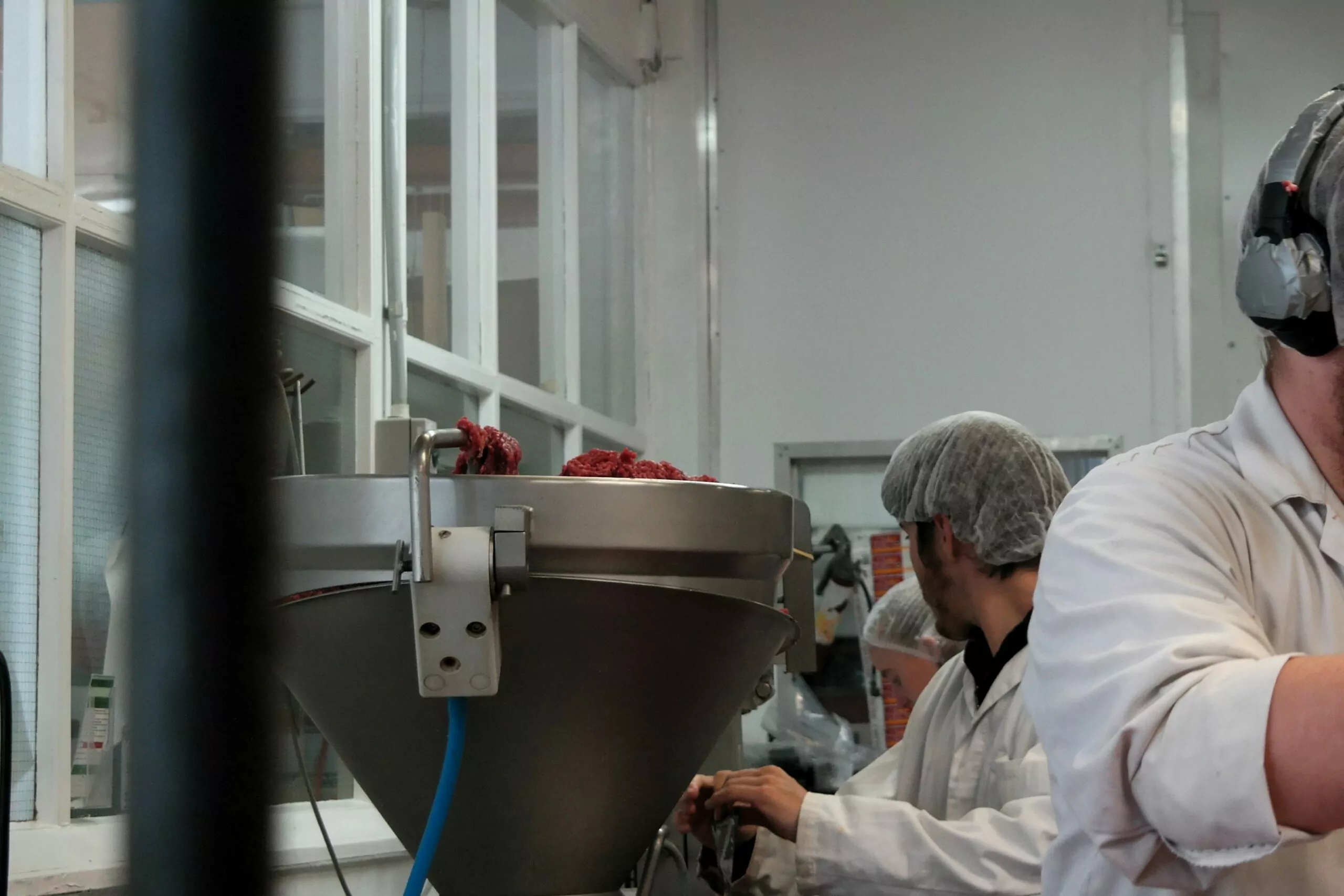
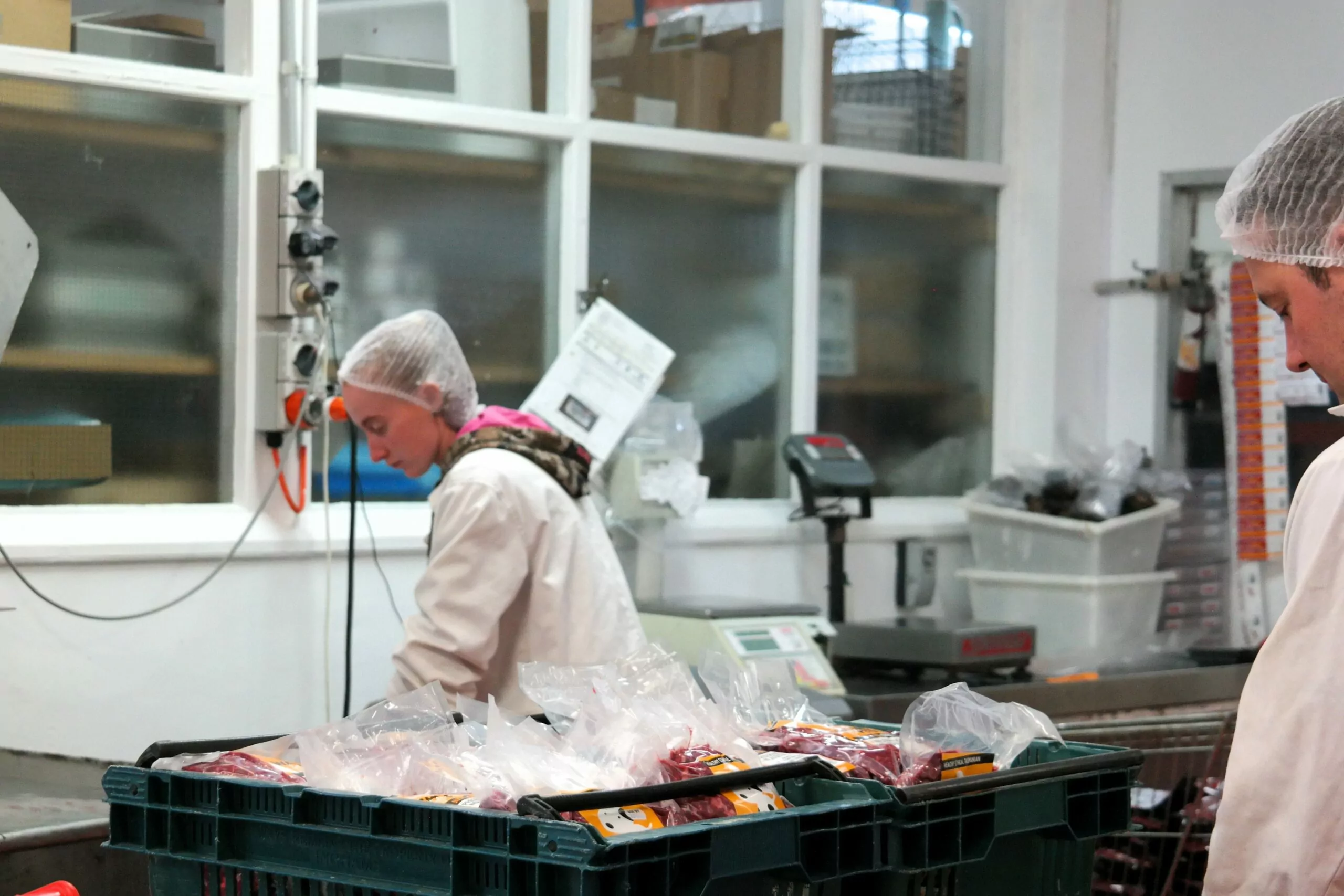
At Lenah, we’re proud to employ four fully qualified Meat Inspectors, and all of our staff either hold—or are currently completing—a Certificate II. That means our team has three times the level of formal training compared to the national industry average. It’s a level of professionalism that directly contributes to the exceptional food safety and quality control we’re known for.
But our commitment doesn’t stop at the factory door.
All of our field suppliers—whom we prefer to call Harvesters—have also undergone formal TAFE training. This covers food safety, equipment standards, and strict animal welfare compliance. For example, a non-negotiable standard is that all animals must be brain-shot, ensuring a swift and humane harvest.
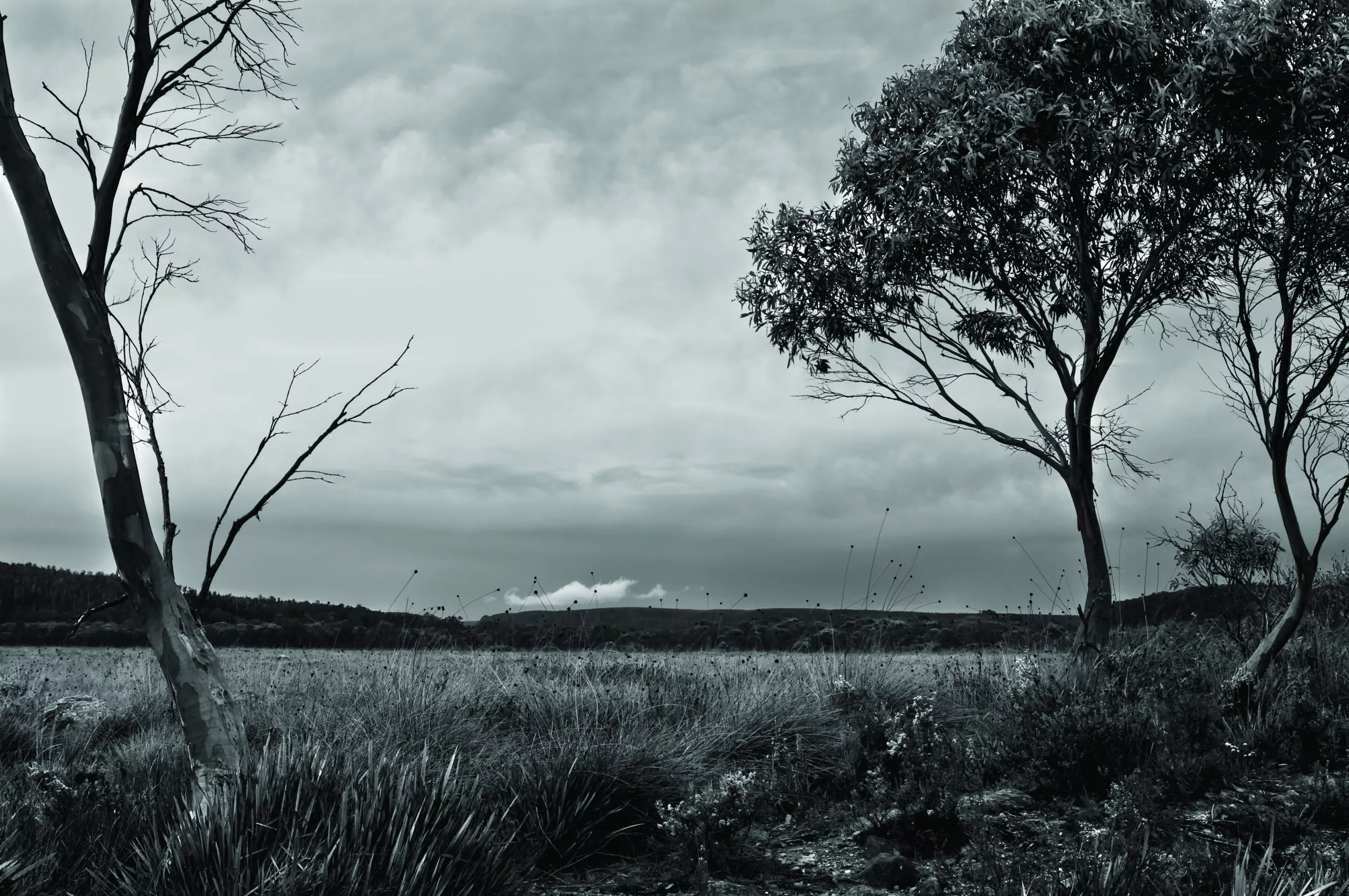
And it’s not just a certificate on paper—each Harvester is assessed by a government inspector in the field. They must demonstrate that they can meet every standard, under scrutiny, while maintaining remarkable precision. Imagine having to cleanly brain-shot a wallaby at 50–100 yards—with an inspector watching closely. That’s the level of skill and discipline we demand, and our Harvesters consistently deliver.
At Lenah, we don’t just talk about quality—we train for it, inspect it, and live it.