

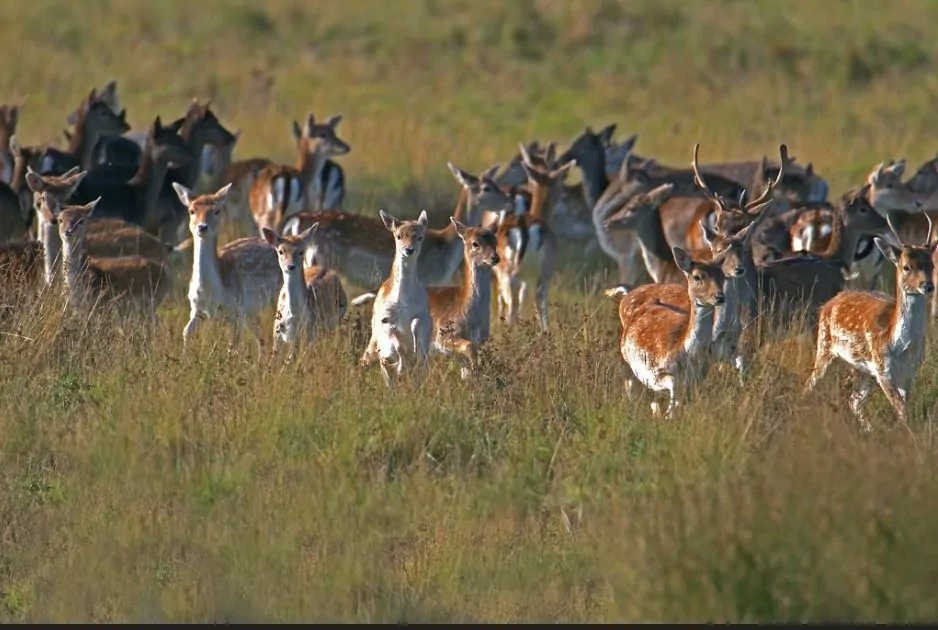
Help the world. Eat wild venison
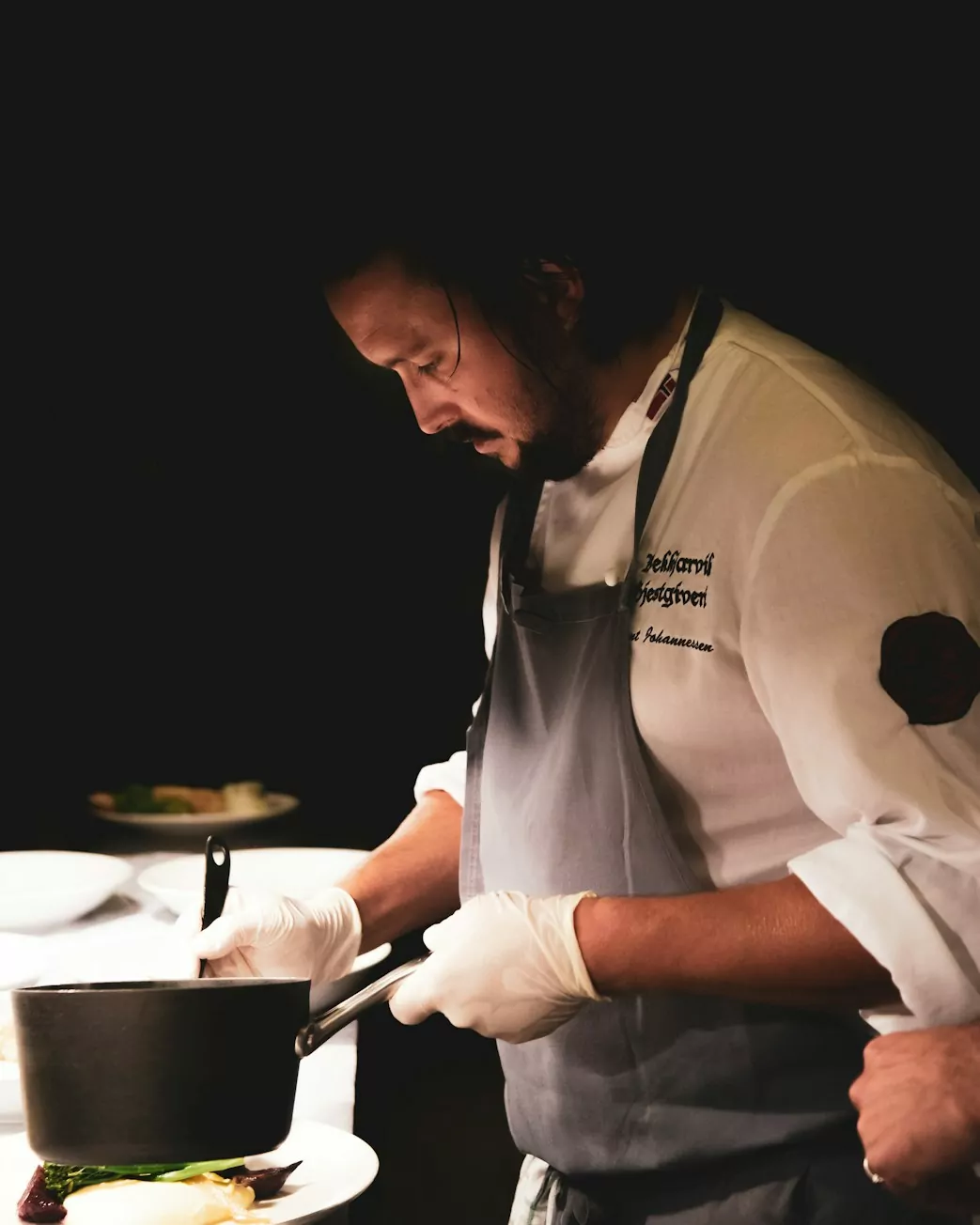
I am a chef
Wild Venison for Chefs
All our venison is wild harvested Tasmanian Fallow Deer, widely considered the best there is. It is exceptional quality and in very high demand. A full range of cuts are available including interesting items like necks, ribs and shanks. For more information contact our GM Michael – who just happens to also be a chef.
I am a home cook
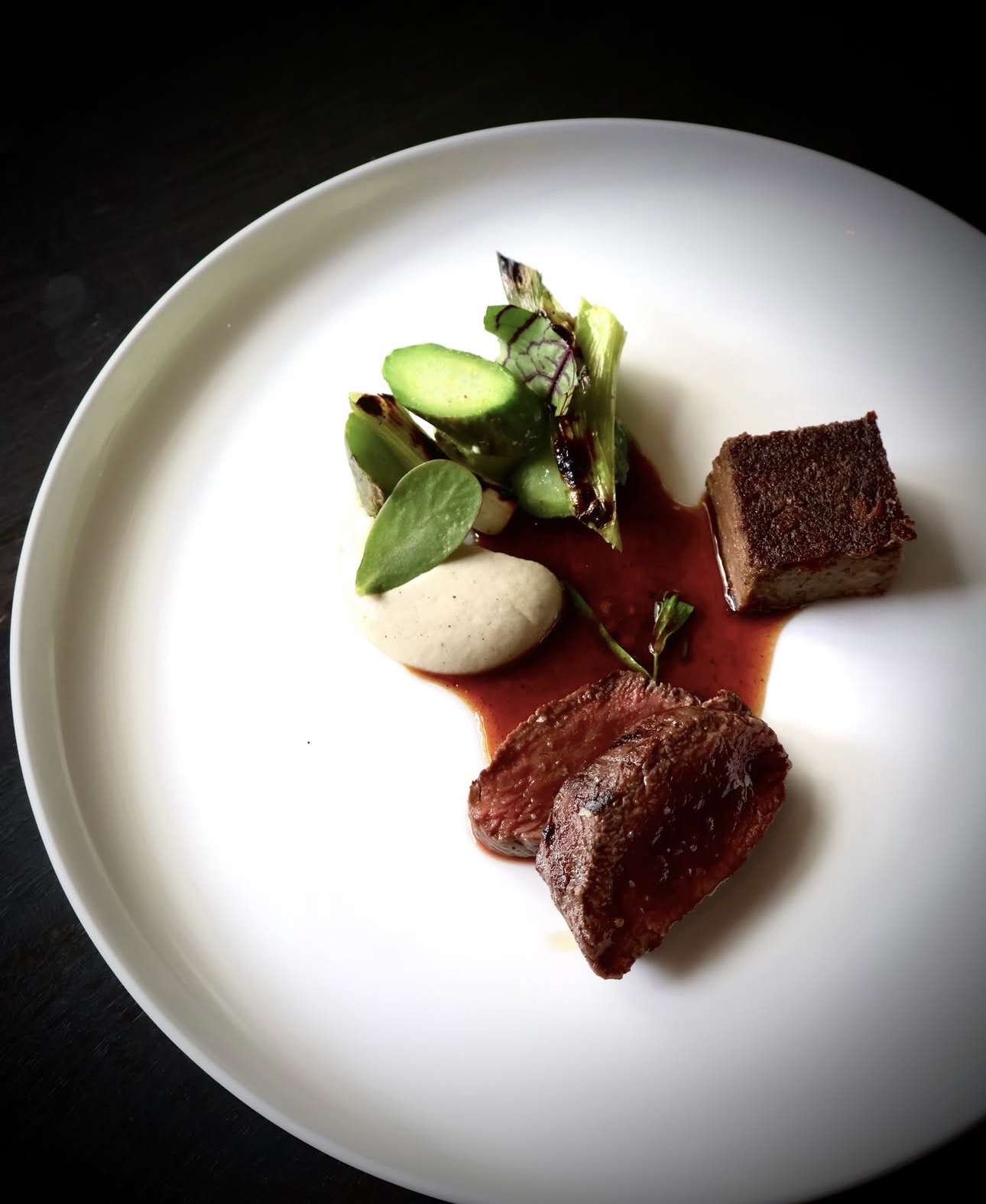
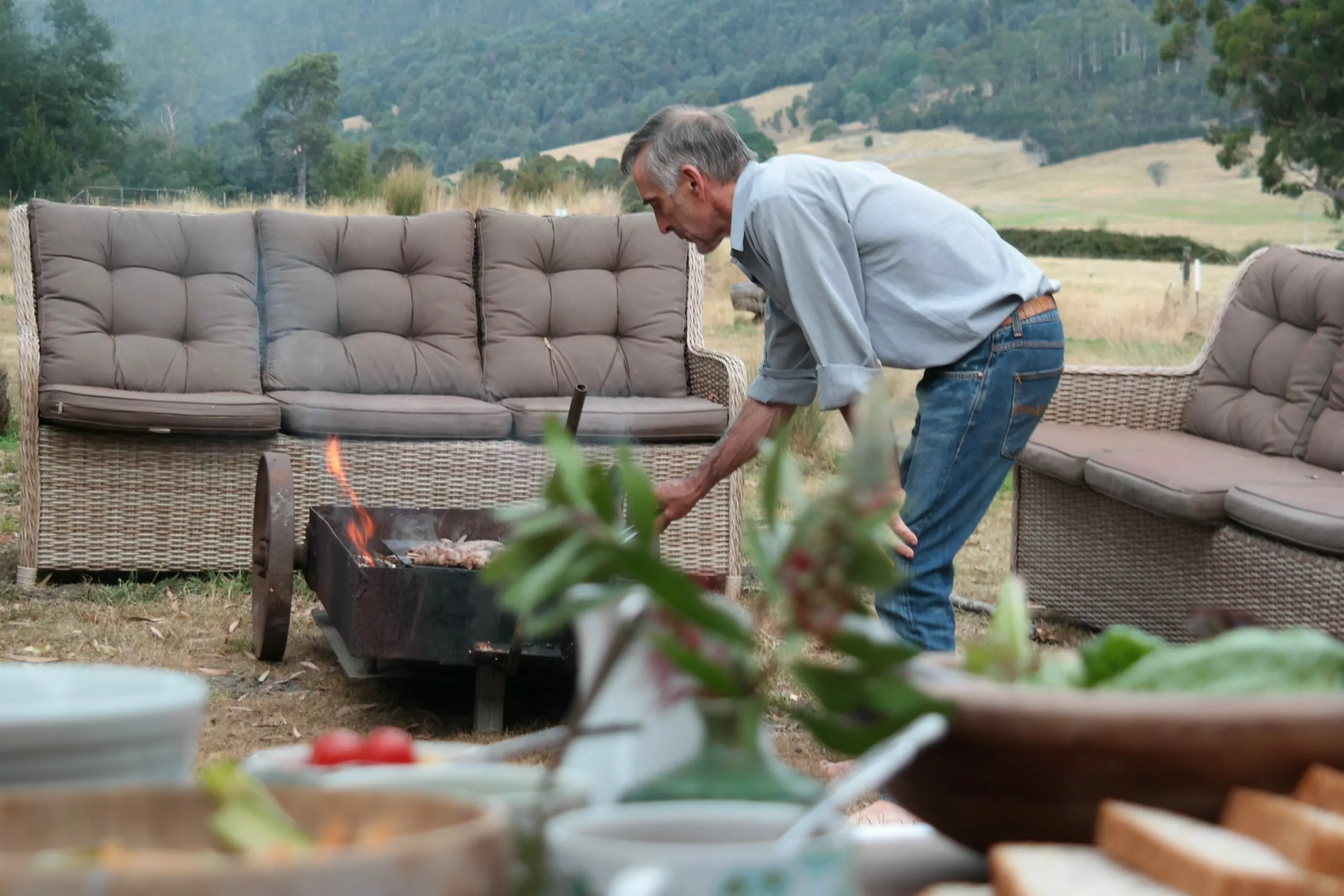
Wild Venison for Home Cooks
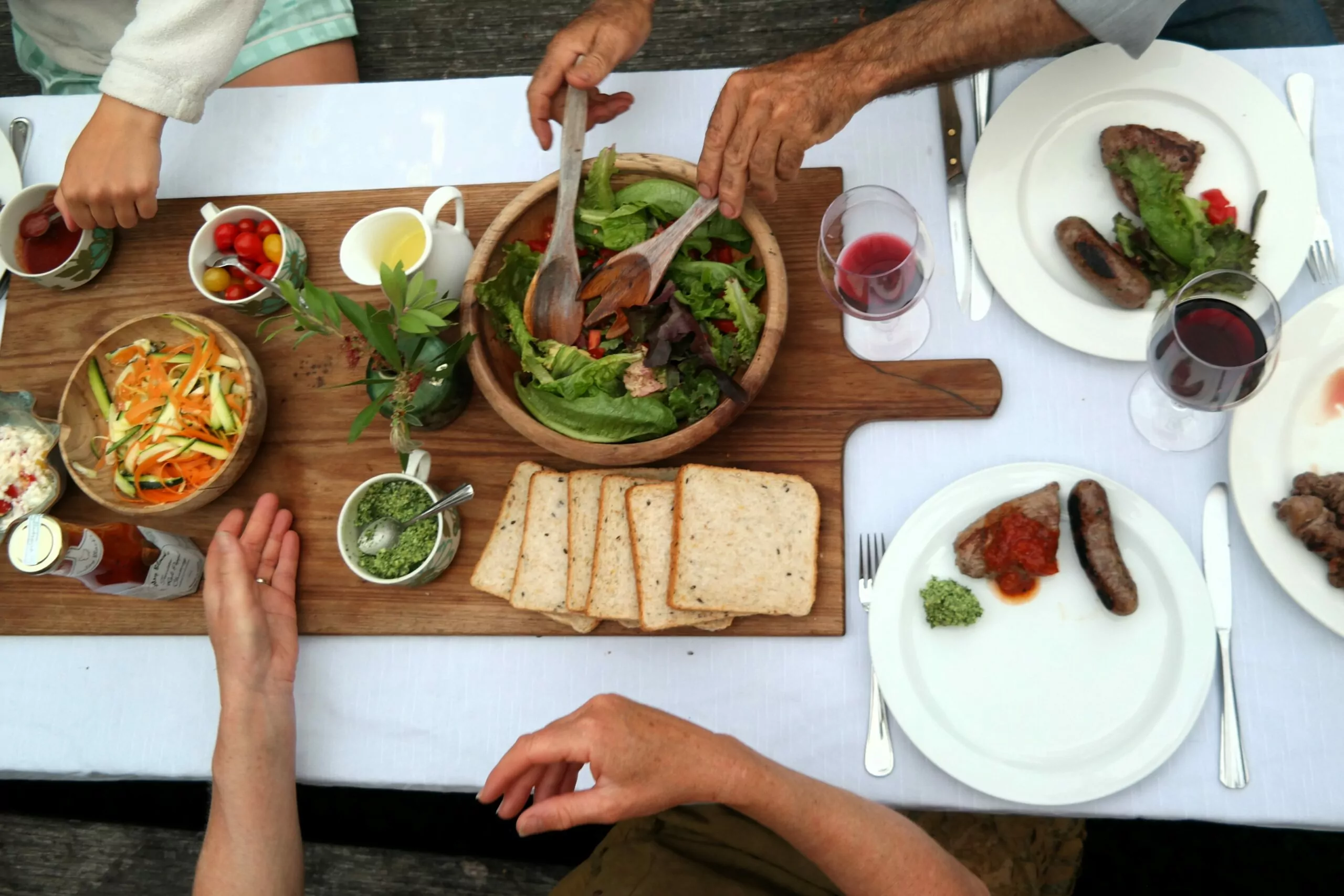
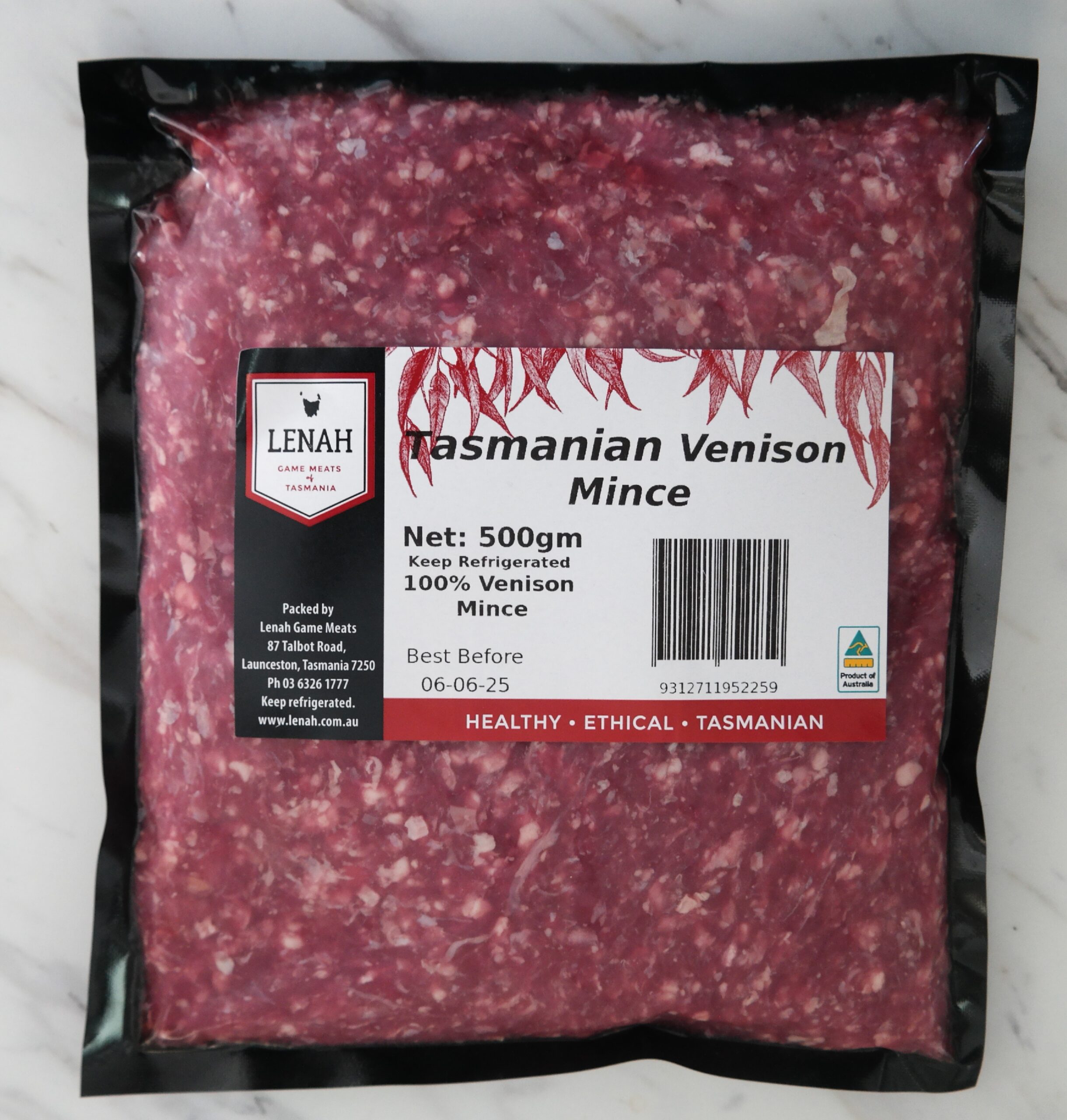
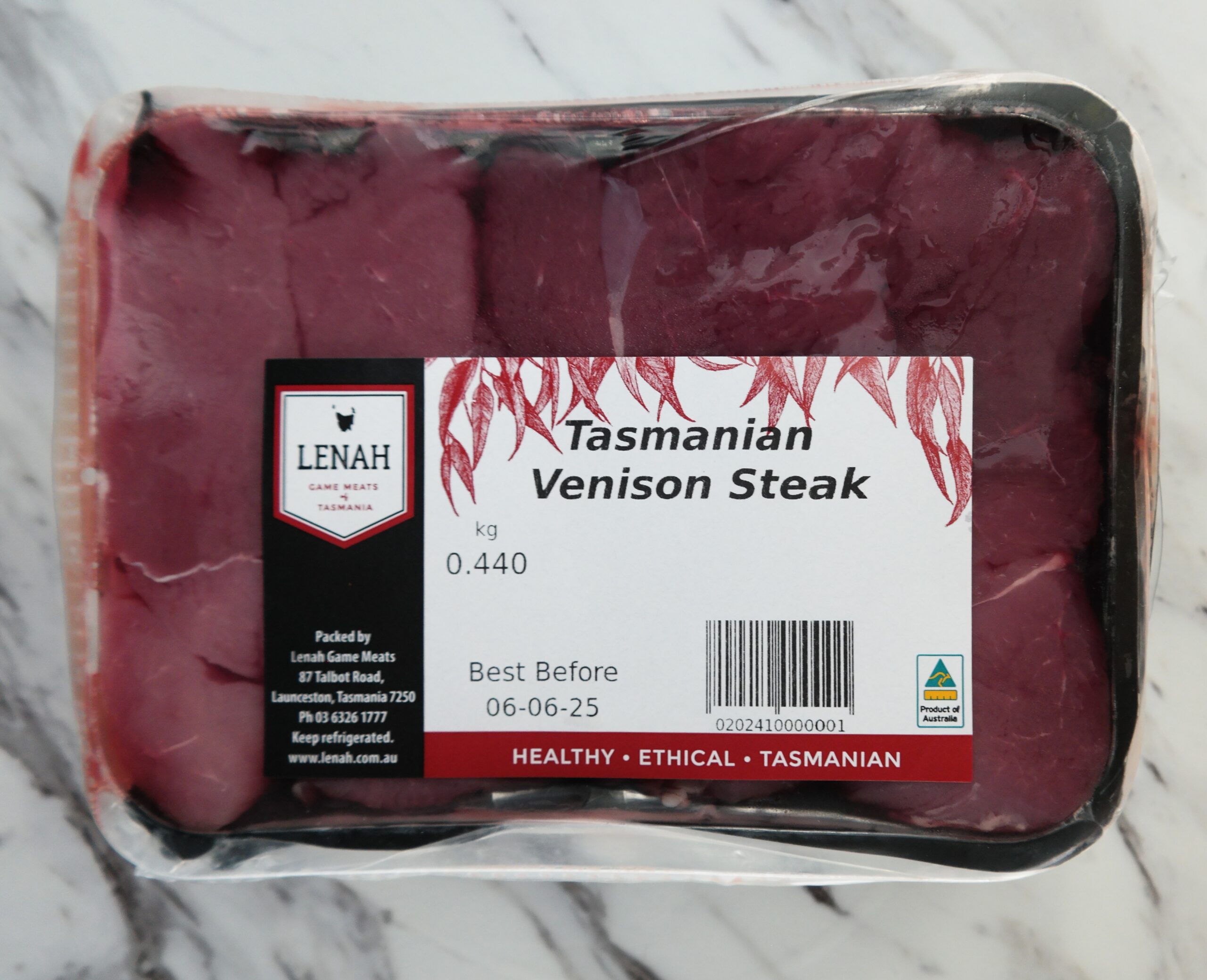
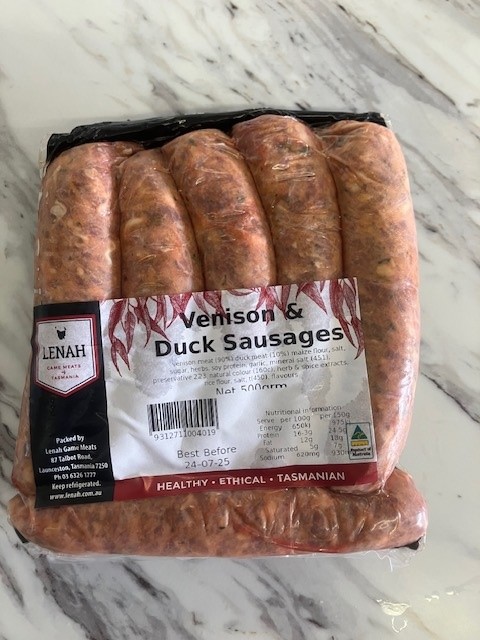
Our wild harvested venison is available throughout Tasmania in Woolworths and IGA stores and also in some Victorian outlets. The range includes steaks, mince, diced and gluten free sausages. For a list of stores that regularly stock our products click the link below. If you aren’t lucky enough to live in Tas, you can order online and we will deliver direct to door.
Commercial use
After an extensive trial and community consultation process, the Tasmanian government has announced that commercial use of wild deer is now a permanent part of deer management in Tas. We’d like to thank all those who supported us in helping the government come to this sensible outcome.
Do the world a favour. Eat Wild Venison
Deer are a significant pest for farmers, costing the farming community many millions in lost production and damage. Deer are also a growing environmental problem and a road user hazard. You are doing the world a favour by eating our wild harvested “king of game meats”.

How does the harvest work?
Deer are procured off the same farms Lenah takes wallaby, by the same Harvesters, operating under the same regulatory framework. All animals are taken at night by Harvesters who have undergone a TAFE course and been assessed and accredited by government inspectors.
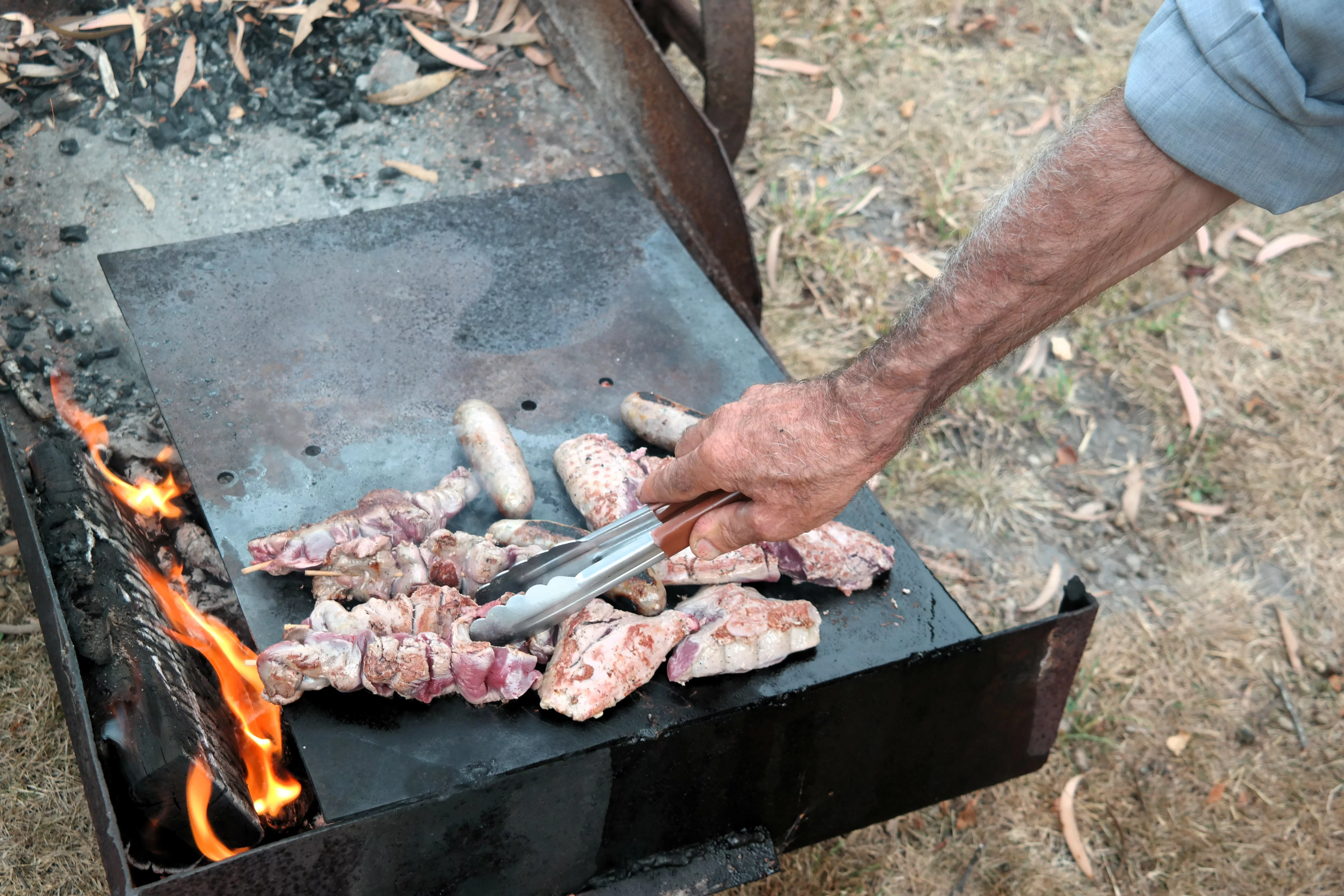
Using spotlights or night vision scopes, all animals are shot in the brain with high powered ammunition giving the most humanely produced red meat possible. The deer are partially eviscerated in the field and placed under refrigeration, bringing the deep muscle temperature down to less than 7 degrees within 24 hours.
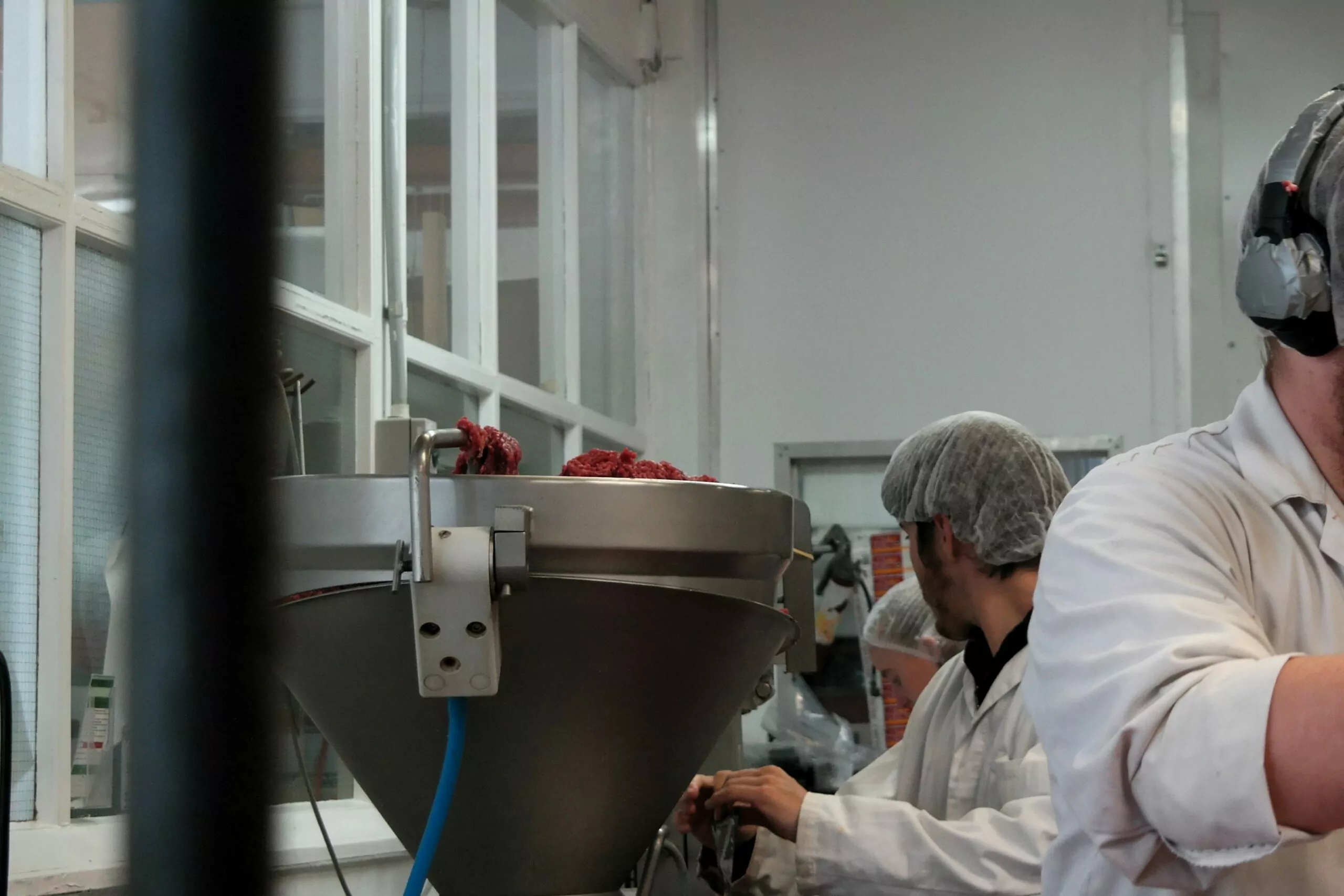
The bodies are transported to Lenah’s licenced game meat processing premise, where they are skinned and subject to post-mortem inspection by licenced Meat Inspectors to ensure they are healthy and fit for human consumption.
.
Tender & flavoursome
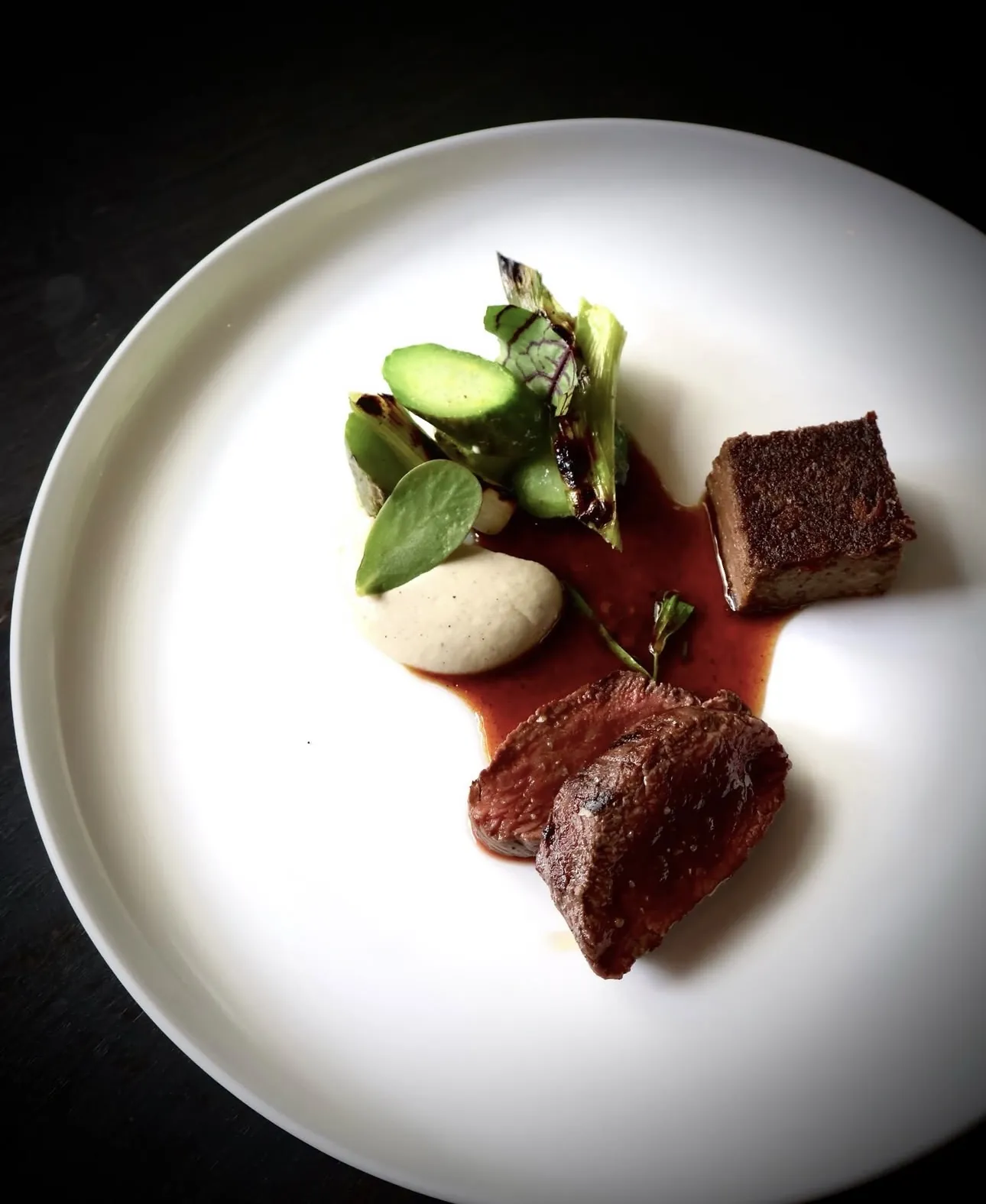
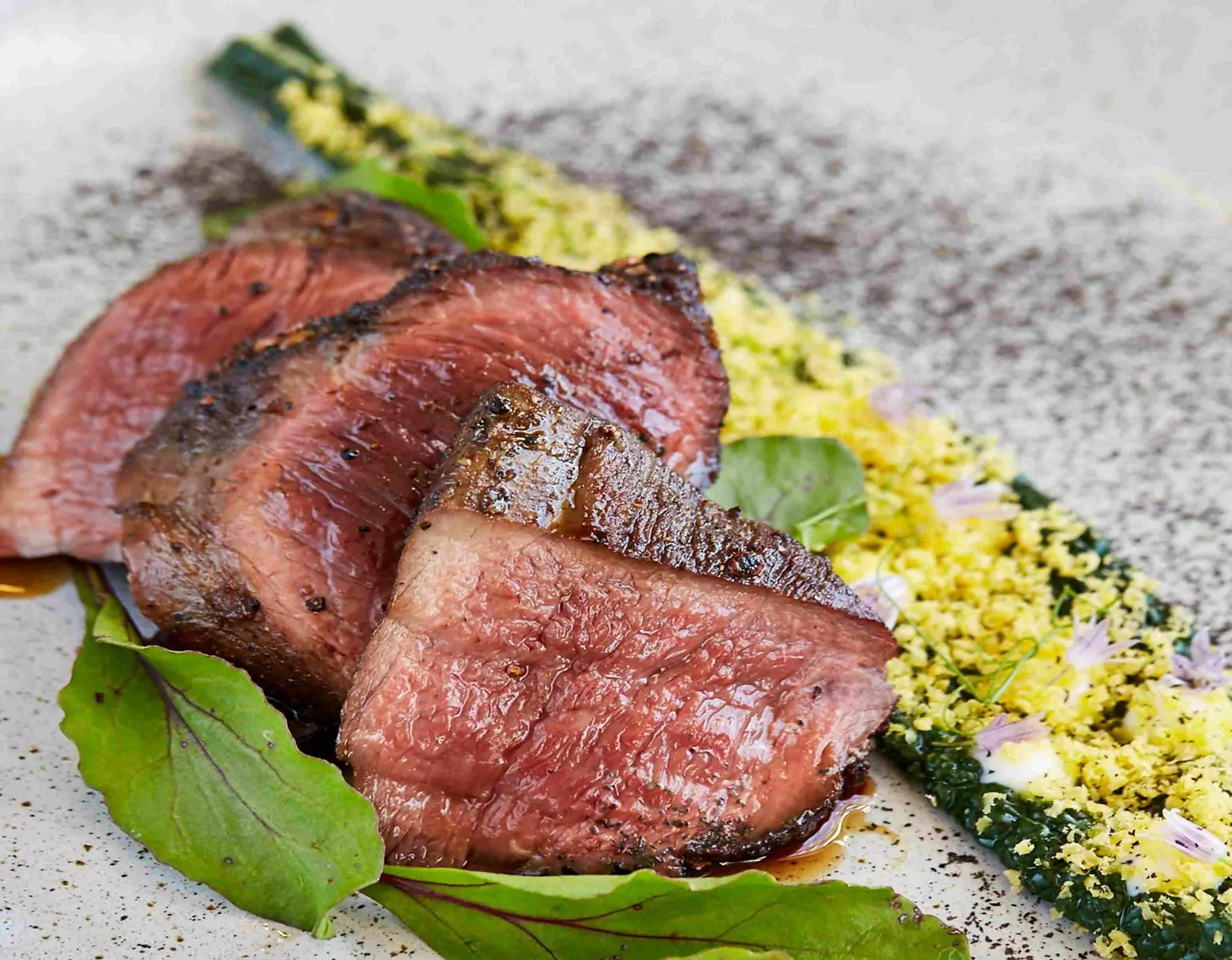
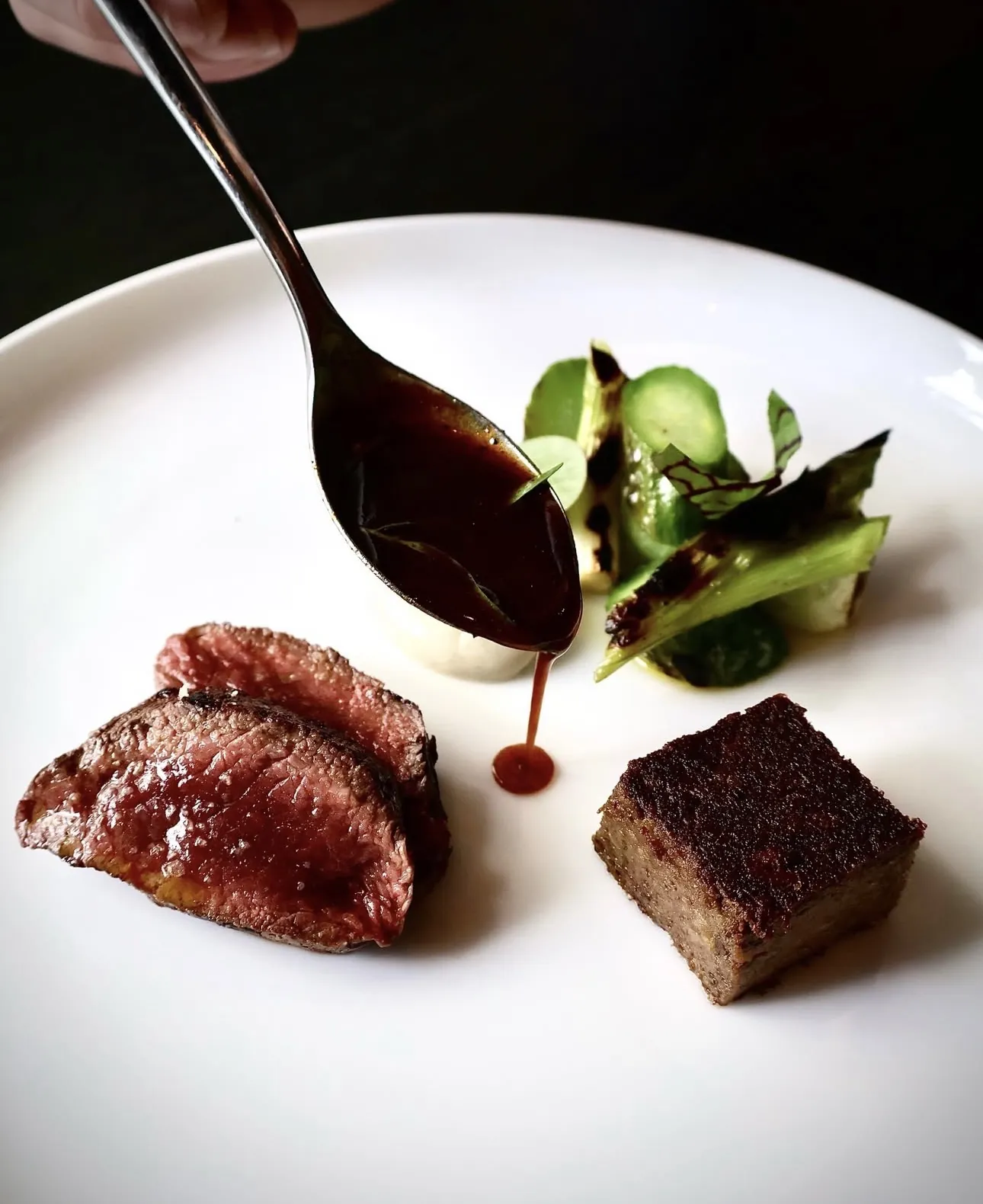
Wild harvested Tasmanian venison is consistently tender, flavoursome and high quality.
Chefs, diners, ‘pestatarians’ (people who chose to only eat pest species) and foodies are delighting in finally being able to purchase Tasmanian wild venison.

Thank you!
We would like to express thanks and gratitude to all the people and organisations that shared the long journey to Lenah being able to harvest wild deer. There were many including:
Tasmanian Hospitality Association
Tasmanian Farmers & Graziers Association (especially Ian Sauer, Simon Cameron and Roderick O’Connor)
Venison Recipes
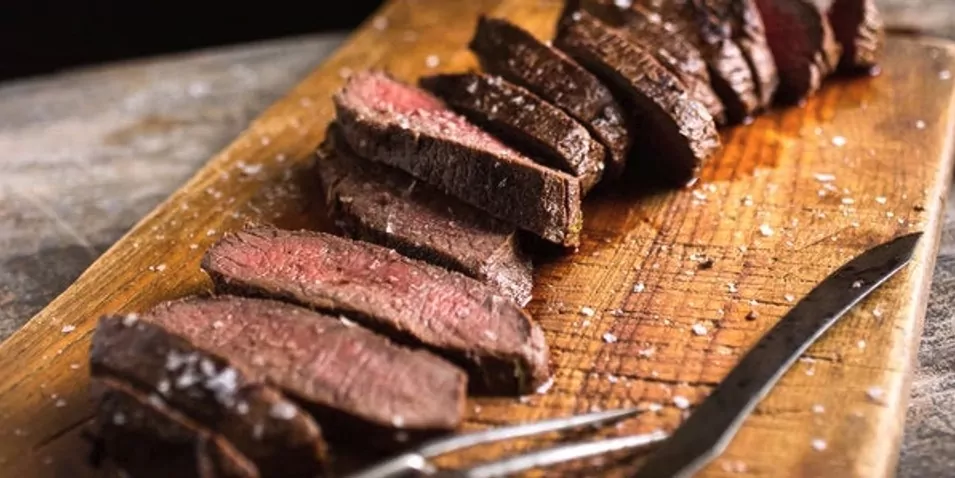
View our recipes and cooking tips.
A little history story
The Vatican has a long-standing tradition of binding its archival records exclusively in deer leather. And yes, you guessed it: for a time, Lenah supplied the raw skins that were tanned for the Vatican’s bookbinders.

FAQ
- How do I cook wild venison
Understanding the Basics of Cooking with Venison
Cooking with venison might seem daunting to beginners due to its lean nature, which can lead to dryness if not handled properly. However, mastering a few basic principles can unlock the door to a multitude of flavourful dishes. Key to success is understanding the importance of marinating, cooking times, and temperature control to preserve venison’s tender qualities while bringing out its best flavours.
Marinating Venison: Enhancing Flavour and Tenderness
Marinating venison not only infuses it with flavour but also helps tenderize the meat, making it juicier and more enjoyable to eat.
Basic Marinade Recipes Suitable for Various Cuts:
- Red Wine and Herb Marinade: Combine red wine, olive oil, minced garlic, rosemary, thyme, salt, and pepper. Ideal for roasts and steaks.
- Balsamic and Soy Sauce Marinade: Mix balsamic vinegar, soy sauce, olive oil, brown sugar, and minced garlic. Perfect for steaks and chops.
Marinate your venison for at least 4 hours or overnight in the refrigerator, turning occasionally to ensure even flavour distribution.
2. Are the deer farmed?
No. The deer are wild, running free over farmland and also world heritage areas – and in the process causing major problems.
3. What species is your venison?
Fallow deer
4. Are there any environmental reasons why I should eat your wild venison?
Yes!! Deer are a major environmental pest in Tasmania, damaging precious ecosystems through grazing pressure, hard hooves and antler scrapes. Sadly there are established populations in Tasmanian World Heritage areas.
5. Do deer produce methane? What is their carbon footprint?
This is another reason to eat the problem. Deer are ruminants, like cattle and sheep. This means their digestive system produces large quantities of methane, a very bad greenhouse gas. Less wild deer means less methane emissions. Eat up!
6. What is this piece of metal in my meal?
Sadly we have received some reports from customers of gun shot shrapnel in their meal of venison. This situation is distressing for the diner, their families, us and no doubt caused the deer distress too some time ago. Let us explain how this has happened.
A deer has suffered shrapnel wound from a recreational gun shot and survived with the shrapnel embedded in the muscle. Please note it is illegal to shoot deer with guns in Tas. Subsequently, one of our harvesters has brain shot the deer with a rifle. The animal has been processed through our premise and unfortunately the shrapnel hasn’t been detected. All our retail packs are run through a metal detector. Very occasionally one still gets through.
From our analysis, this does happen but rarely. The odds are around 1 in 35,000.
If this happens to you please contact us immediately.