


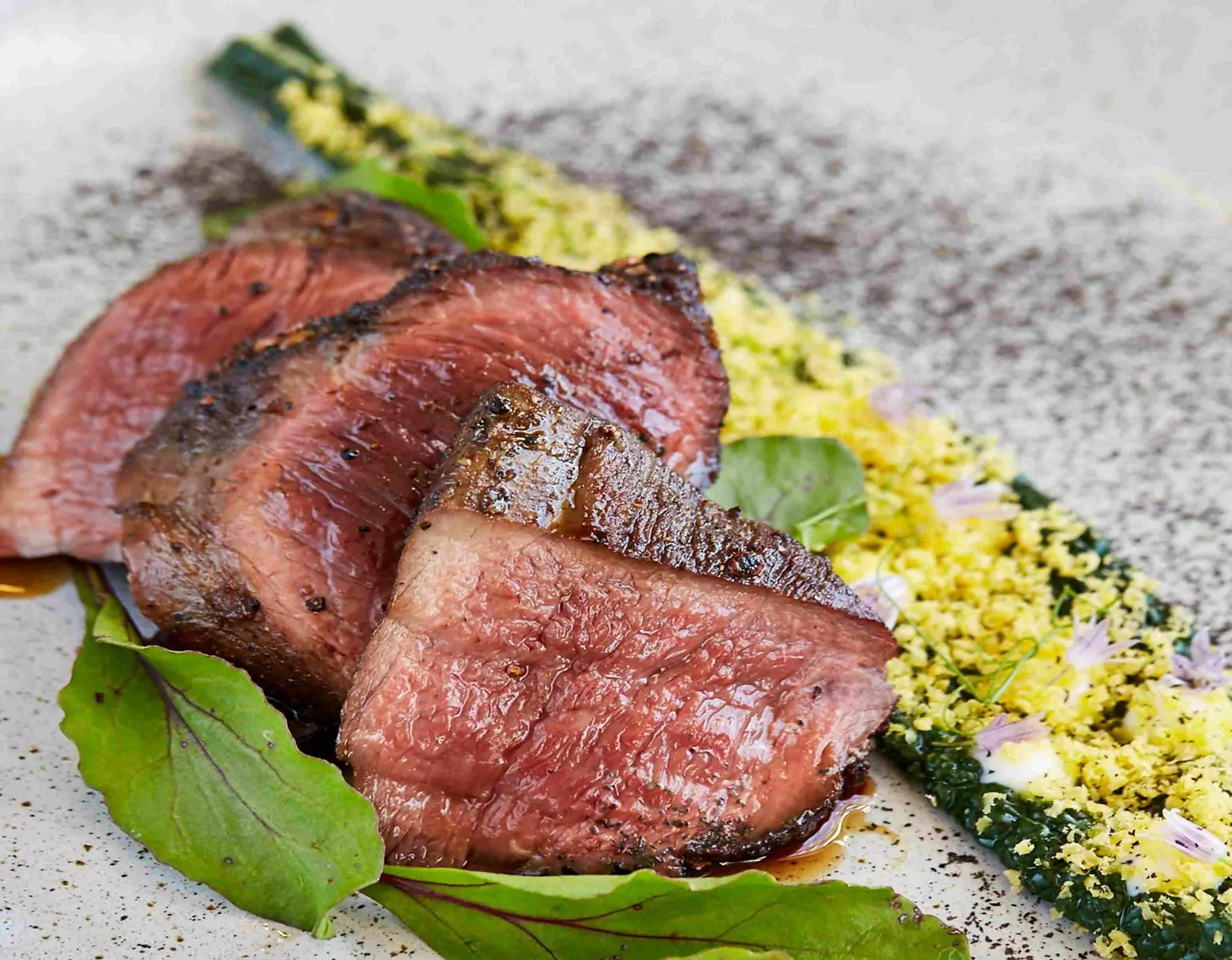




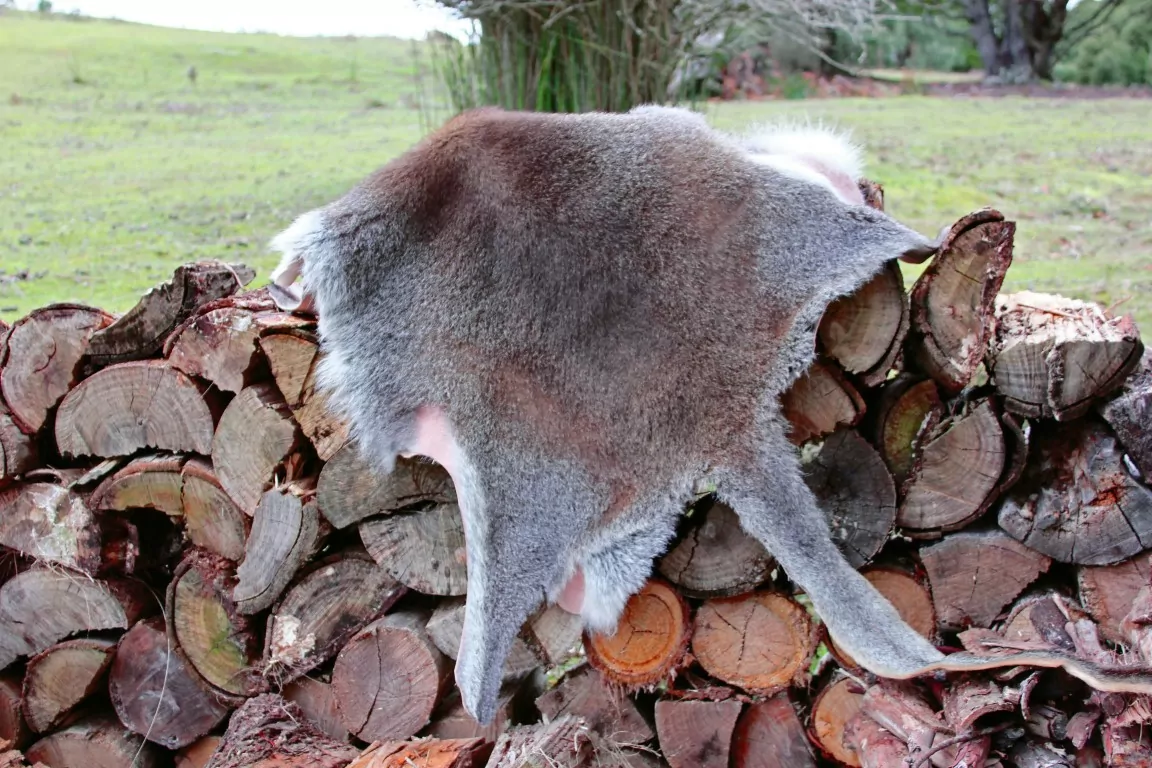
At Lenah (did you know ‘lenah’ is a Tasmanian Aboriginal name for wallaby?) we rabbit on a lot about the environmental benefits of harvesting wallaby, so much so that sometimes we forget to list them. So, settle down for a jolly good list.
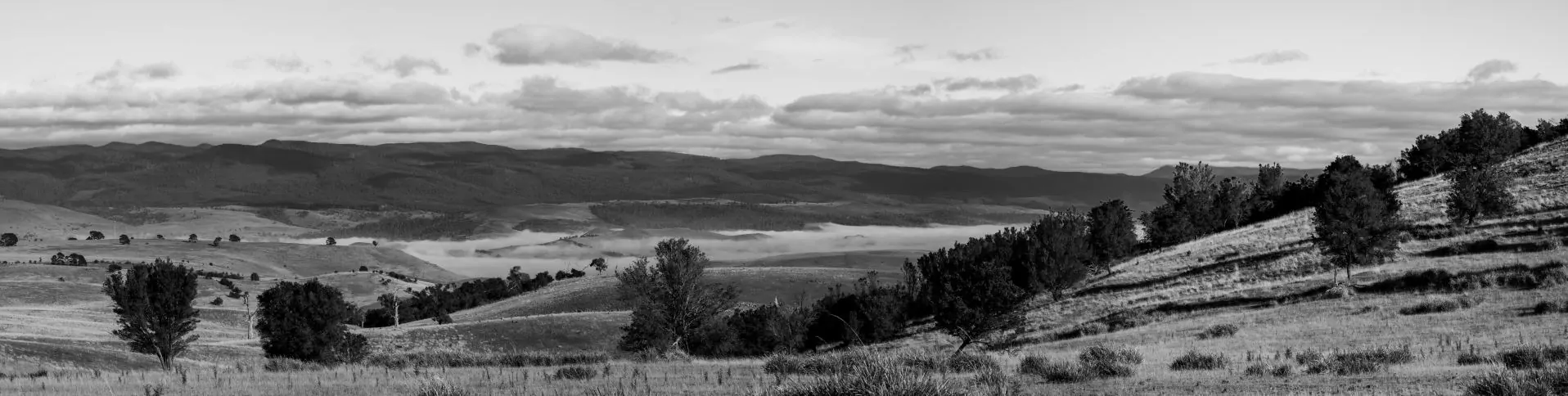
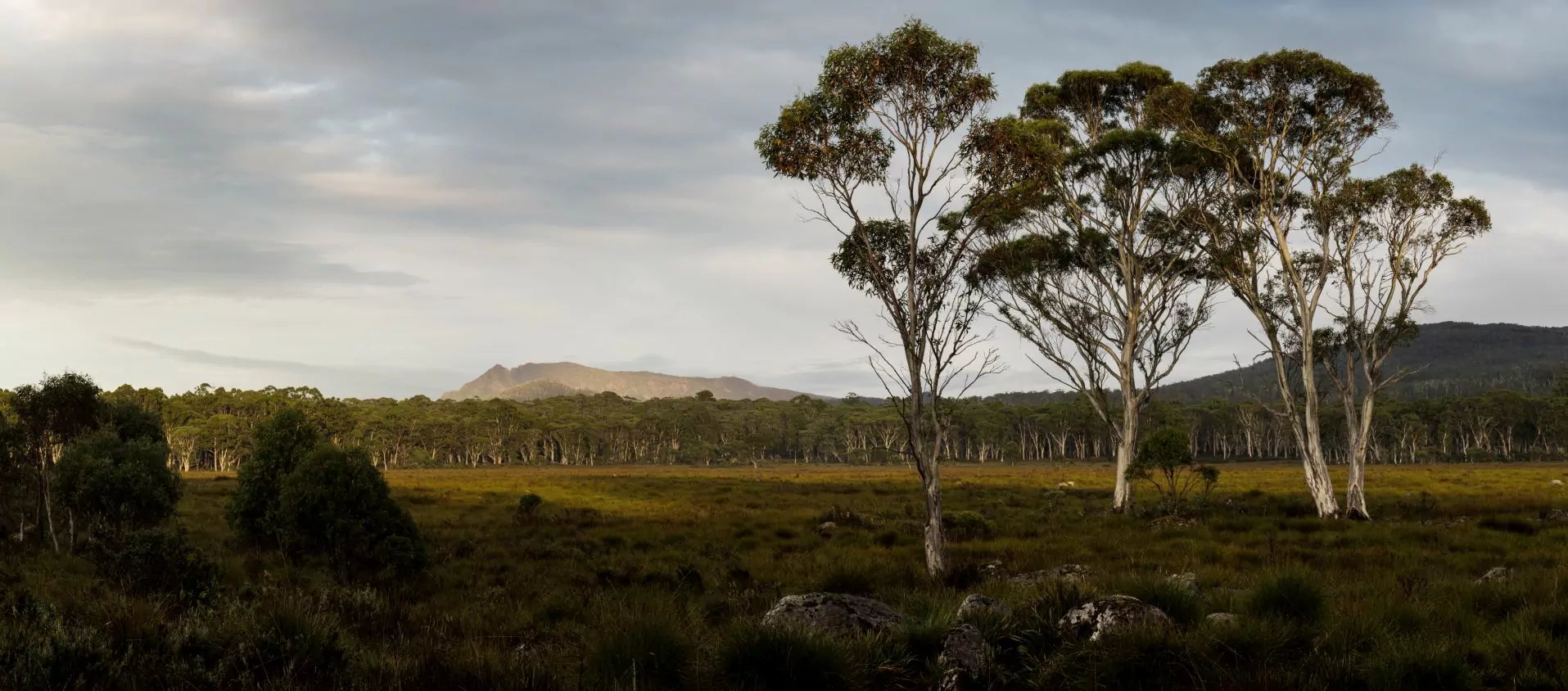
- Wallaby are of course native to Tas. We like to say we can’t think of many things which make as much environmental wisdom as us, in this land, producing our food, from the animals which belong here. They are the animals adapted to this land and to which the land is adapted.
- Wallaby have extremely low water needs, a fraction of sheep and cattle.
- Wallaby have soft pads, much gentler on our fragile soils (and especially riparian areas) than hard hoofed sheep and cattle.
- Wallaby are culled in large numbers to mitigate their economic impact on farms, so utilising them is simply value adding what would other-wise be a wasted resource.
- BUT perhaps the biggest of all is that wallaby emit almost no methane. Methane is 27 times worse than carbon dioxide as a global warming gas. We’ve had our carbon footprint independently analyzed and it’s demonstrated our wallaby has between a 1/12 and 1/30th the imbedded carbon of beef, depending what beef data you use. It’s even lower than tofu!
Wallaby is perhaps the most environmentally friendly protein going.