



Our Harvesters have to undergo training in the animal welfare regulations controlling our wallaby harvest. These are detailed in the Federal Government ‘Code of Practice for the Humane Shooting of Kangaroo and Wallaby from Commercial Purposes.’ Before any Harvesters can supply us, they are assessed in the field, under actual operating conditions, by a government inspector to prove they can comply with the requirements of the Code.
The Code requires that all animals be brain shot to deliver the best welfare outcome possible. We of course, monitor all our production to make sure this is the case. But there have also been a range of studies by independent scientists auditing the compliance against this requirement in the industry nationally. Three large scale studies of the commercial kangaroo harvest by government agencies and the RSPCA have all demonstrated head shot rates of 99.6-99.9%. In addition, our Harvesters have been audited in the field under actual operating conditions by a government inspector for over two decades. These audits have also shown head shot rates of 99%, delivering instantaneous dispatch.
In comparison, the most commonly used method of dispatch for animals in abattoirs, captive bolts to make the animal unconscious followed by bleeding out, consistently achieves much poorer results. Large scale trials indicate in up to 10% of cases, abattoir slaughtered animals need to be hit with a second shot with captive bolts to render them unconscious.
A humane harvest is of course something we all expect from an ethical view.
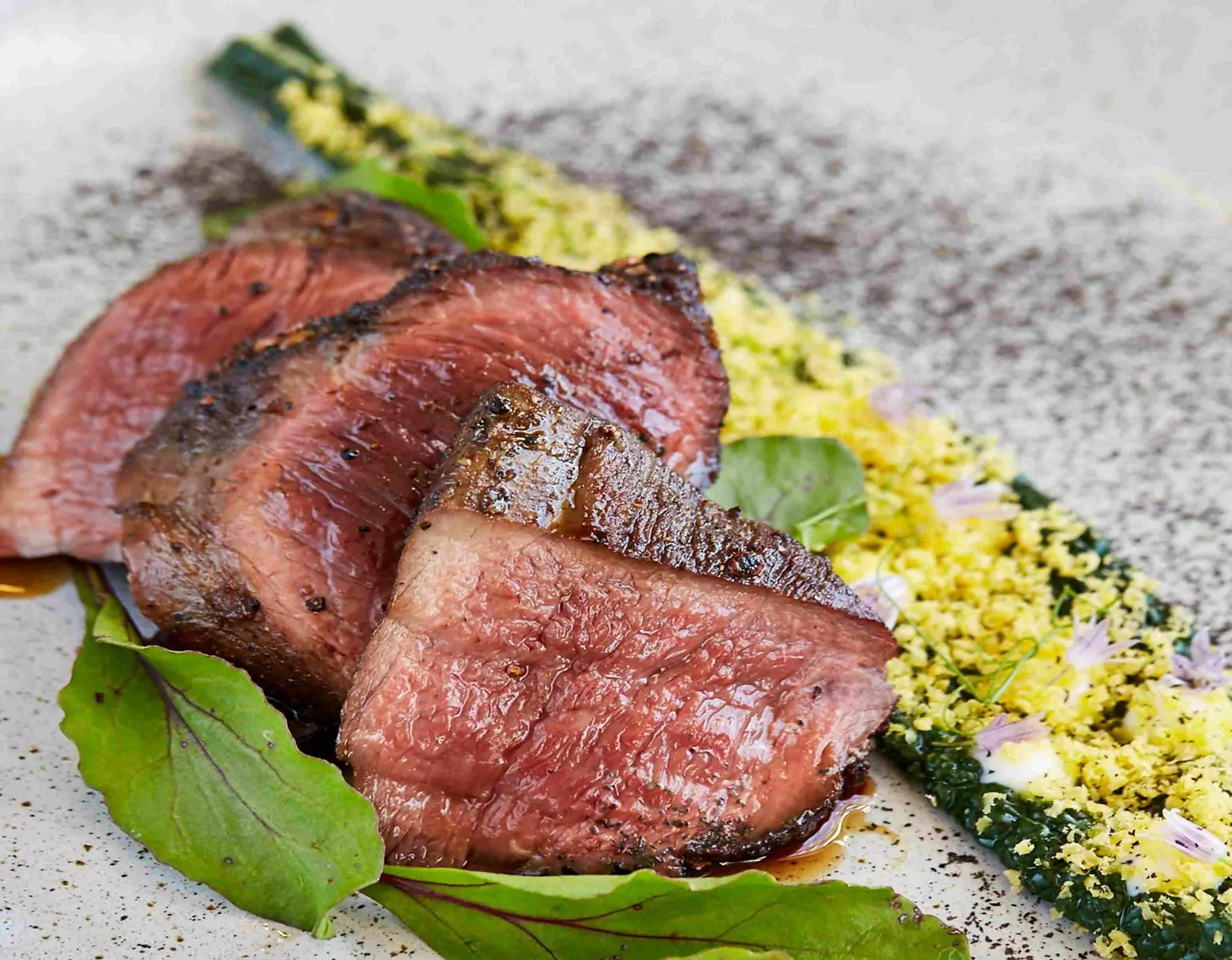
But it’s also important from a food quality perspective. The one thing which most destroys eating quality in red meat is stress at the point of slaughter. It’s complicated, but a large release of adrenalin at slaughter will cause meat to become dry, tough and have poor shelf life. Our products are taken under the best welfare outcomes possible. There is no stress of transport, strange locations, water and food deprivation or poor slaughter techniques. Instead, the animals we process are dispatched instantly in their natural environment, leading to ideal meat quality.