

We all have different reasons for doing what we do.
For me, the animal welfare ethics of Lenah aren’t a marketing line — they’re personal. They’re stitched into who I am.
I grew up on a mixed enterprise farm in the upper south-east of South Australia. I’m a proud crow eater. We ran shorthorn cattle (fashionable in the 70s), merino sheep and grain crops.
My parents were good operators. Dad had an instinct for cropping and machinery. Mum had something different. She had a natural affinity with animals, the bush and the garden.
Together they built a good business — with four keen little “gate openers” in tow.
I was one of them. And I was an animal lover from the very beginning.
As a child, I desperately wanted to be Dr Dolittle. I believed, with absolute certainty, that if I just tried hard enough, I might one day be able to talk to animals — and tell them how much I loved them.
We lived a long way from town. My best friends weren’t classmates — they were my pony and our dogs. There was a pet sheep named Sheeba and a calf called Boswell (who one day fell in our pool but thankfully survived). I knew every breeding cow and calf in our large herd before I was a teenager — not because I had to, but because I wanted to. I spent hours after school on my pony, riding quietly among them, learning their personalities, memorising their markings, loving their company.
I am very lucky to have so many good memories.
But there are memories that still sit heavy.
Animal production can be tough. When you have lots of animals, things happen. And there are practices that have to be done. Necessary. Routine. Accepted.
Some of those moments have never left me.
Even now, I can find myself awake at night, remembering lamb marking time — the noise, the smell, what had to be done. As a child who loved animals deeply, it was hard.
That conflict shaped me.
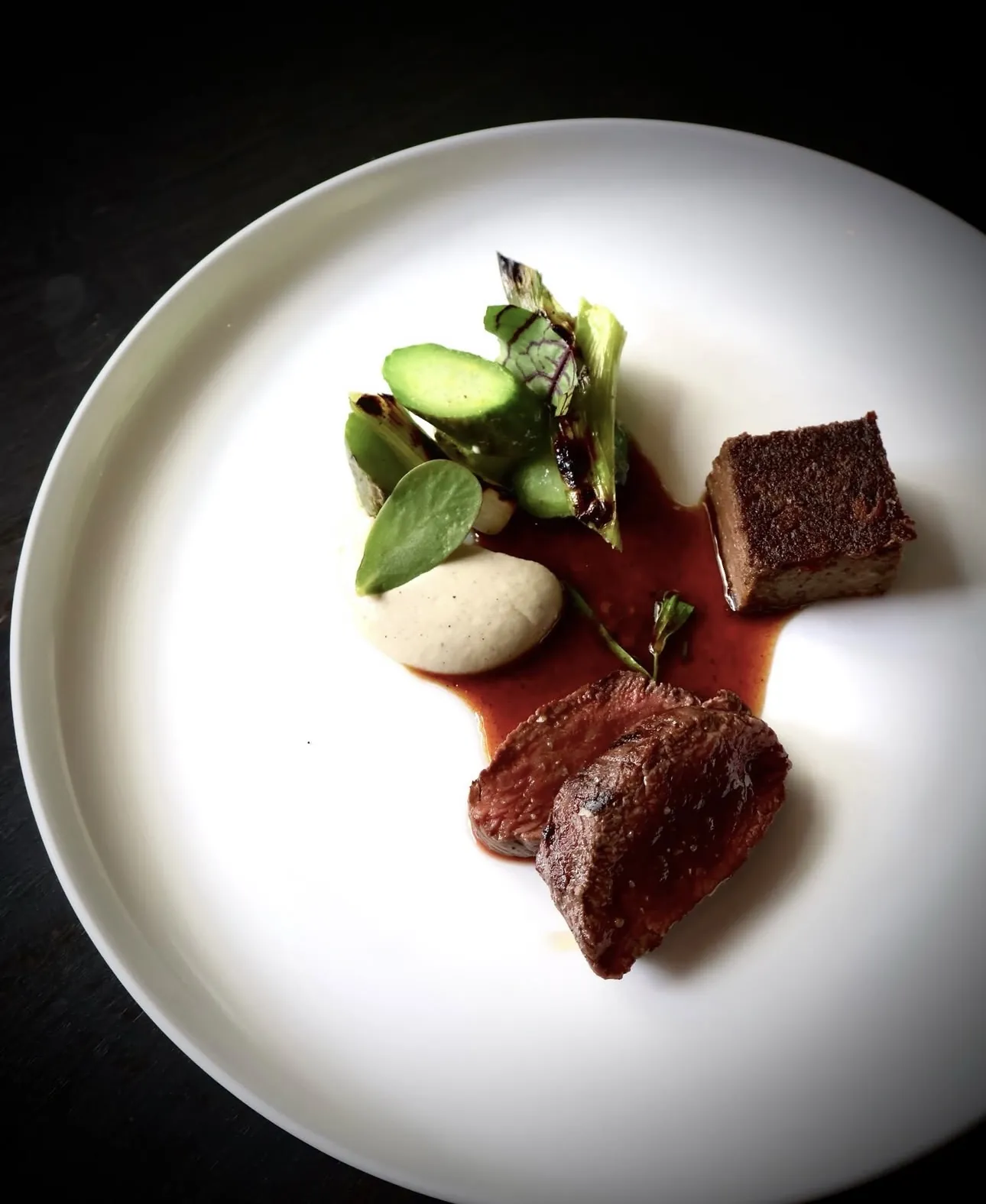
It’s one of the reasons I am so passionate about Lenah and the benefits of wild harvesting — because of the many practices we don’t have to do.
And just as importantly, we are utilising animals that would otherwise be shot and left where they fall — wasted. If an animal’s life is taken, I believe it should count for something. It should be respected. Using what would otherwise be discarded, especially when it is an animal, matters deeply to me.
Wild harvest, when done by skilled professionals, is as close as we can get to humane, ethical meat production. It isn’t perfect — nothing involving life ever is — but it is respectful. It is swift. It honours the animal in a way that aligns with the little girl who rode her pony among the herd and loved every single one.
I am proud that we can offer meat that reflects those values.
This isn’t just business for me.
It’s a promise to that little girl.