



With conversations around the climate crisis growing increasingly intense, there is often a sense
of urgency to do your part. But knowing where to start can feel like trying to find a needle in the
haystack. For such a big issue, how can our individual action make an impact?
For many people, myself included, going vegetarian has been a simple way to reduce their daily
environmental footprint.
Why go vegetarian?
The beef, lamb and pork industry is a significant contributor to Australia’s greenhouse gas
emissions – about 10% of nationwide emissions with 84% of these emissions coming directly
from beef cattle production.
The biggest contributor to the problem? The animals themselves. The digestive system of cattle
produces methane as a by-product of the breakdown of tough plant fibre. This methane is then
released and trapped in the atmosphere. As a potent greenhouse gas, methane is a primary
contributor to global warming, contributing to around 30% of global warming since pre
industrial times.
Beef cattle are living, walking global warming machines.
Other factors contributing to the high emissions are tied to the fact that these animals have not
evolved to live on Australian soils, and Australian ecosystems have not evolved to support them.
As a result, a copious amount of water is consumed for animal upkeep, land is cleared
destroying natural habitats and greenhouse gas emitting fertilisers are applied to pastures and
crops.
But what if there was a better option?
Cattle, sheep and pigs might not be adapted for the Australian ecosystem, but native
macropods – wallabies and kangaroos – certainly are. Macropods have been evolving on
Australian soil for as much as 11.6 million years and have been a food resource for First Nations
People since their arrival.
The question then needs to be asked, when did this native resource stop being utilised?
People are making the switch
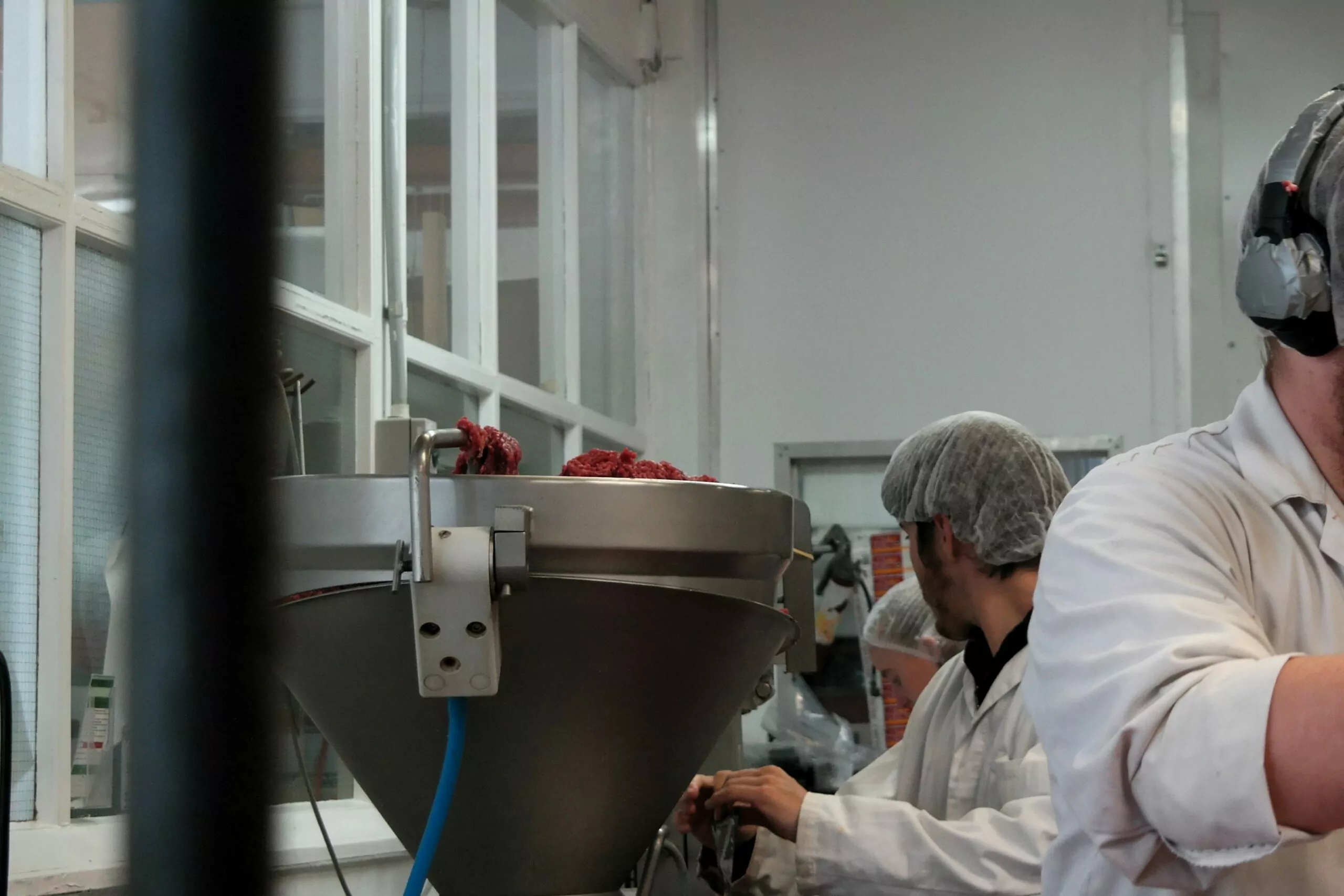
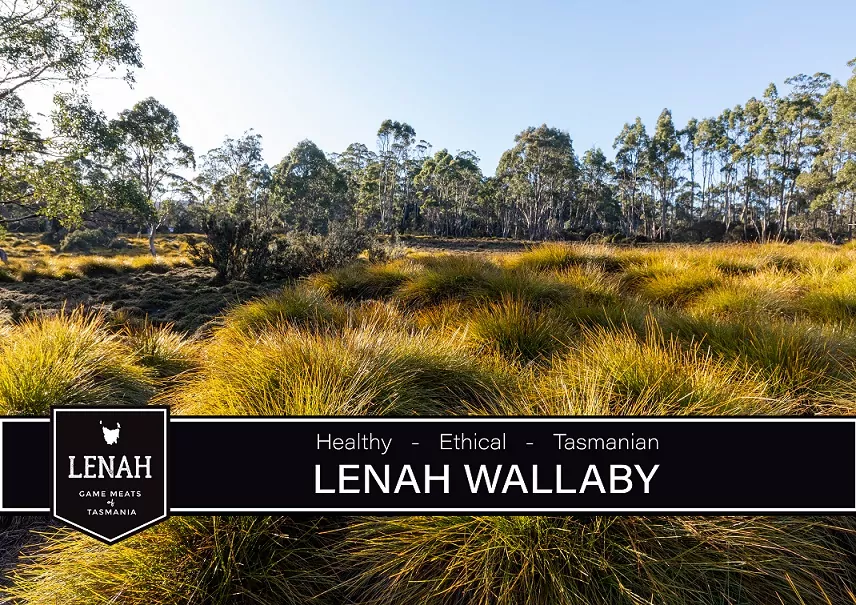
One Tasmanian company, Lenah Game Meats, recognised this untapped resource about 30
years ago. They have commercialised the industry and distribute wild harvested wallaby and
other game meat products across Tasmania and into other states and territories.
Lenah Game Meats underwent a Carbon Emissions Assessment in 2023 to analyse the
environmental impact of the production of native game meats. Their scope 1,2 and 3 emissions
were reviewed, finding a total emissions footprint of 380 tonnes of CO2-e in 2023, equating to a
maximum of 2.4kg of CO2-e per kilogram of wallaby meat.
In comparison, for the embedded CO2-e in beef is at least 20.7kg of CO2-e per kilogram of beef.
How is there such a significant difference? The answer lies in the digestive system. Unlike cattle
and sheep, the digestive system of wallabies produces little to no methane.
From Lenah Game Meats production alone, over 92 million kilograms of CO2-e emissions has
been avoided by displacing the consumption of beef. Extending this nation-wide and making
native macropods a mainstream protein source could be a tool to lowering our national carbon
footprint.
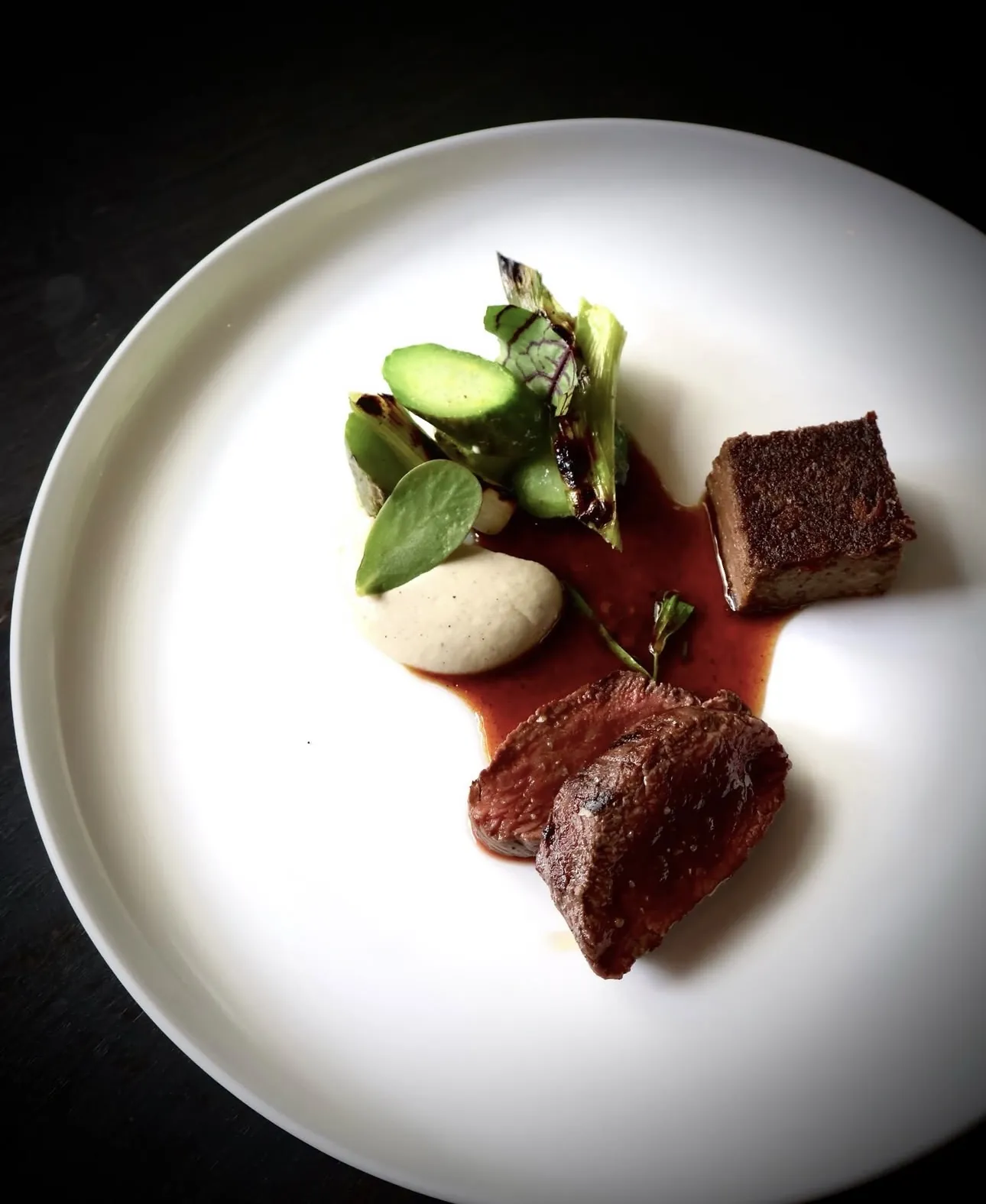
Along with the benefit of reduced carbon, eating wild harvested game meats can also have a
positive impact on animal welfare. These animals live and grow in their natural environments,
and provided strict harvesting protocols are followed, avoid many of the stresses that come with
farming livestock.
Could it really work?
It should be recognised that the consumption of native macropods will never replace the beef
cattle industry in Australia. But, if well utilised, it has the capacity to mitigate profound amounts
of CO2-e emissions and relieve the pressure on Australian soils and ecosystems to support
introduced species. In 2015, a census revealed the macropod population to be 49.3 million –
over double the amount of cattle at the time. Quotas are, and must continue to be, set to
maintain population sustainability, but the question remains on whether current harvesting can
scale to increase yield.
Perhaps it is time to push for a shift in the nation’s attitude. Instead of “ew, I can’t eat that” or
“but they are so cute”, it may be time to look past our limiting view and challenge ourselves and
those around us to ask the question: could the answer to sustainable eating be hopping right
under our noses?